

Volume 1 • Issue 3 • October 2026
Semi-Structured: The Open-Access Journal for Public Ethnography
On Ethnographic Witnessing: Student Encounters with Immigration Court
Special Issue
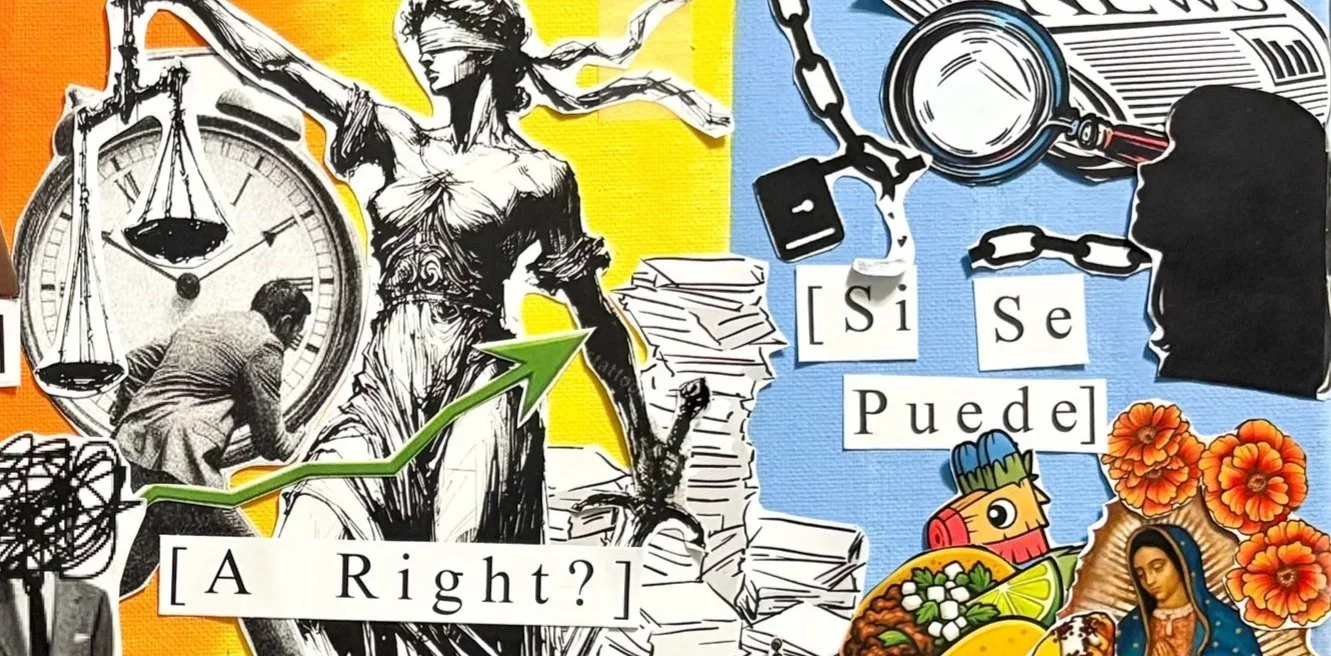
Background image from Stacey Montoya’s piece, Hopeless Observer
Semi-Structured is pleased to release, On Ethnographic Witnessing: Student Encounters with Immigration Court, a special issue developed, curated, and edited by Lauren Heidbrink, Amelia Frank-Vitale, and Rebecca Galemba. This collection features the work of 22 student ethnographers, who offer insights, analysis, and experiences based on hundreds of hours in immigration courtrooms across the country over the last few years. Through their work in observation projects under the direction of scholar-activists Heidbrink, Frank-Vitale, and Galemba, students gained critical training in ethnographic practice and a crash course in immigration law, especially in the disjunctures between law on the books and law in practice. Understanding that wider audiences would benefit from hearing and learning directly from their students, Heidbrink, Frank-Vitale, and Galemba approached Semi-Structured to steward this thoughtful, ambitious collection.
We are honored that Semi-Structured can be a home for this collection and invite readers to consider what student observers witnessed, felt, and learned in court and why ethnographic observations are important to broader publics.

by Lauren Heidbrink, Amelia Frank-Vitale and Rebecca Galemba
Immigration courts provide students with an immersion in immigration law and, especially, in the disjunctures between law on the books and law in practice. Students see and feel for themselves how opaque and confusing bureaucratic processes unfold in real time. They observe how rules are interpreted, contested, and experienced. They come to see that legal decisions are shaped by not only statutes and formal rulings, but also language access, courtroom culture, technology, uneven representation, detention, and the discretionary practices of judges, attorneys, interpreters, and clerks (Barak, 2023). At a moment of rapid change in immigration law and policy, they also see how formal policies are translated unevenly into courtroom practice.

by Thurka Sangaramoorthy
and Elise Ferrer
In this special issue, “On Ethnographic Witnessing: Student Encounters with Immigration Court,” we’re honored to present an ambitious collection of 22 student pieces which together offer an embodied, emotional, and analytically rich account of immigration courts across the country in this contemporary moment. As part of immigration-based projects under the direction of scholar-activists Lauren Heidbrink, Amelia Frank-Vitale, and Rebecca Galemba (who developed, curated, and edited this issue), students logged hundreds of hours in immigration courtrooms across the country, gaining both critical training in ethnographic practice and a crash course in immigration law. The issue offers a space where students’ insights can move beyond the courtroom and the classroom and into the wider public, for whom these insights are critical.
Explore Volume 1, Issue 3:
On Ethnographic Witnessing: Student Encounters with Immigration Court
Essays • Poetry • Art Pieces
Essays
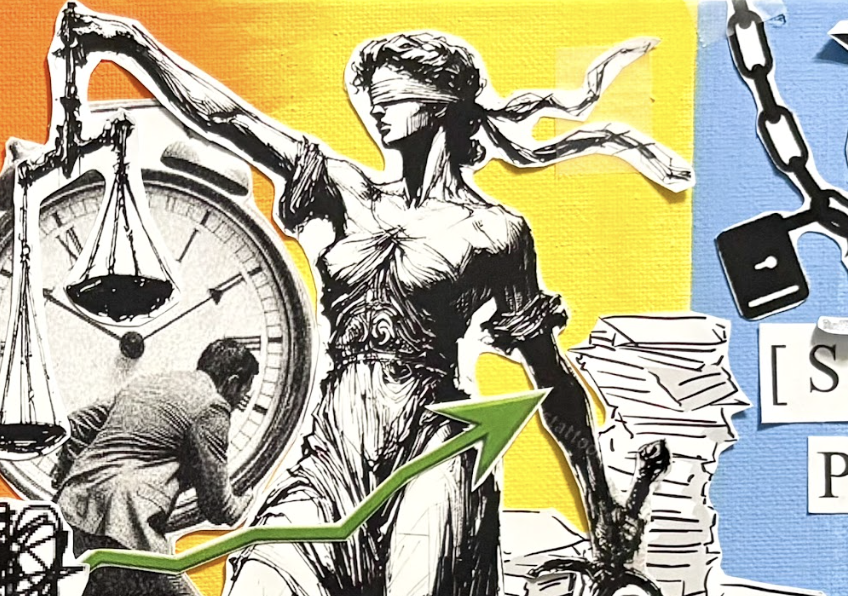
Art Pieces
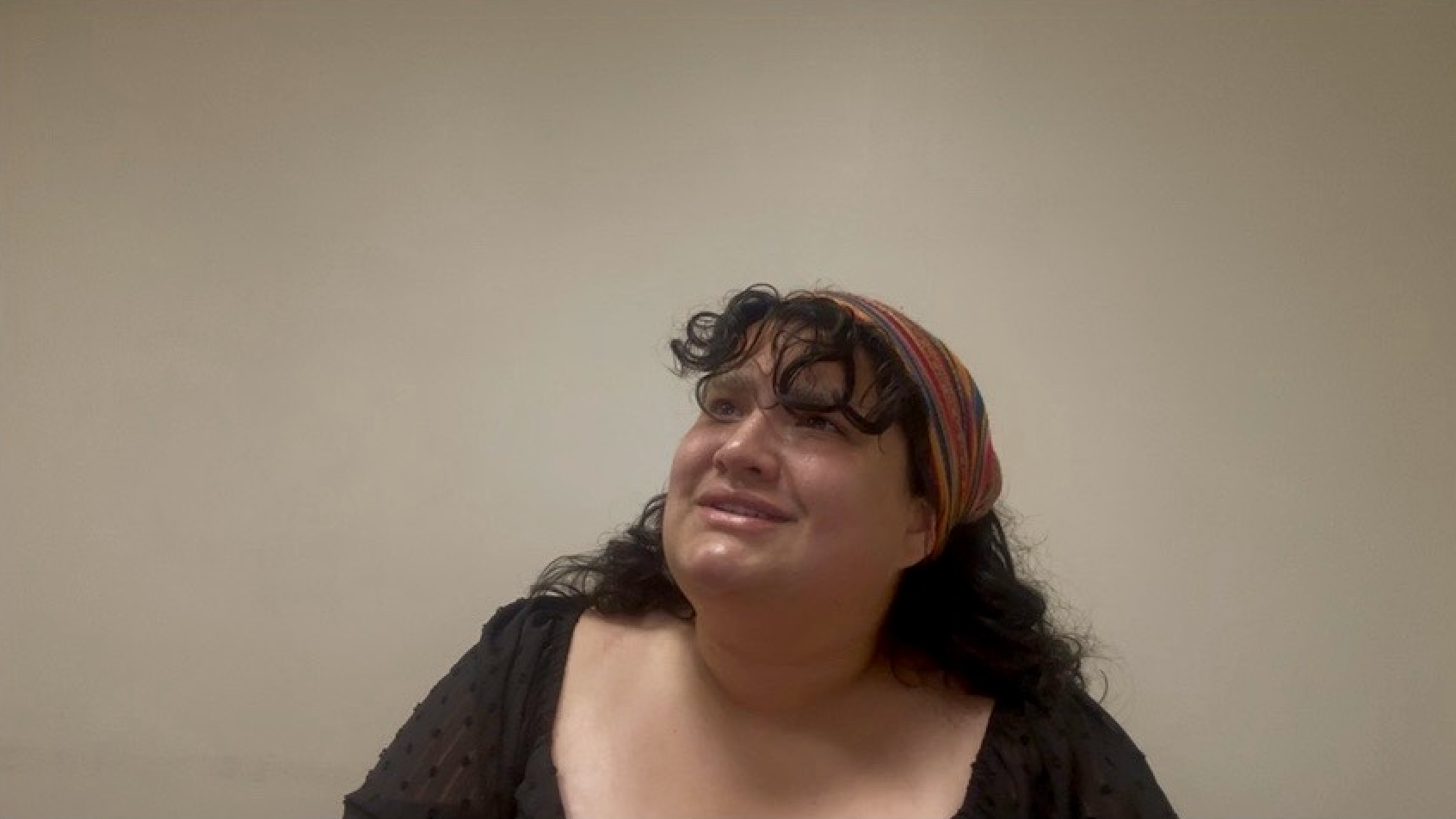
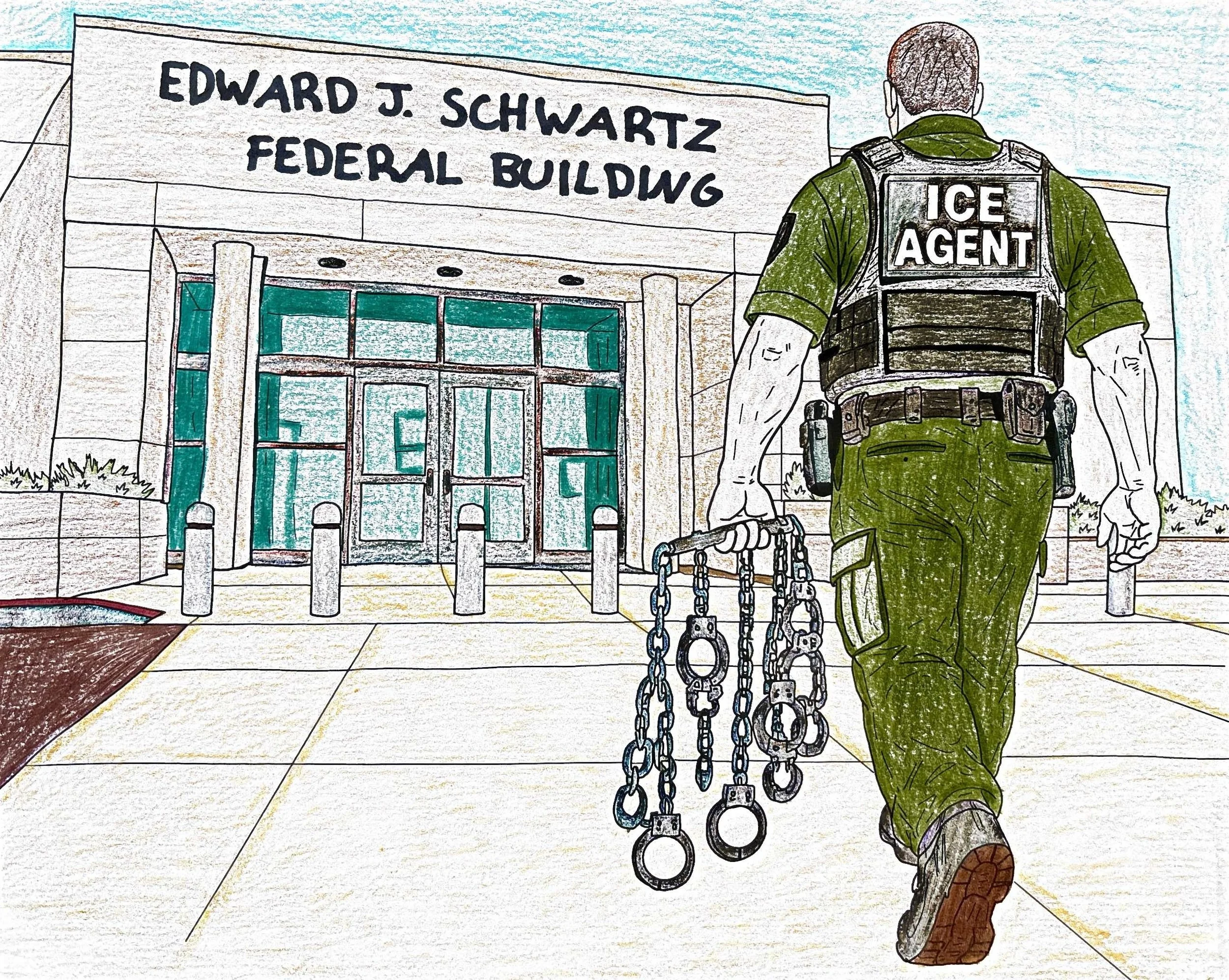

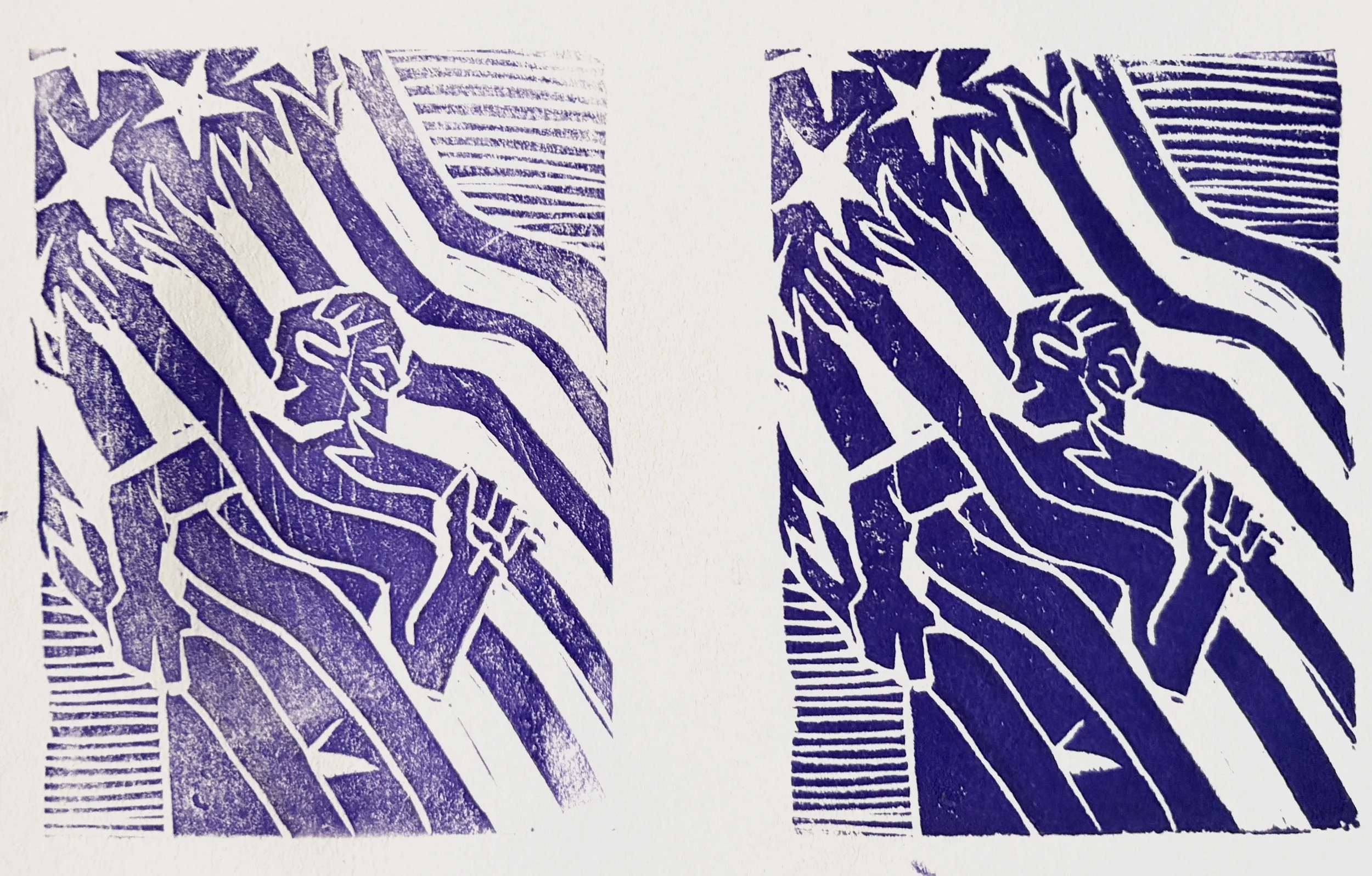
Poetry
This issue would not have been possible without the insight and work of the entire Semi-Structured and Public Ethnography Lab team. Thank you all for your contributions to this project.
Thurka Sangaramoorthy, Editor-in-Chief
Elise Ferrer, Managing Editor
Oscar Ellery, Student Fellow
Aanya Baid, Student Fellow
Marka Doolittle, Student Fellow
Bennett Wright, Student Fellow
Asher Rosen, Student Fellow
Jean Wogaman, Senior Administrator