

Making Knowledge Public: A Letter from the Editor
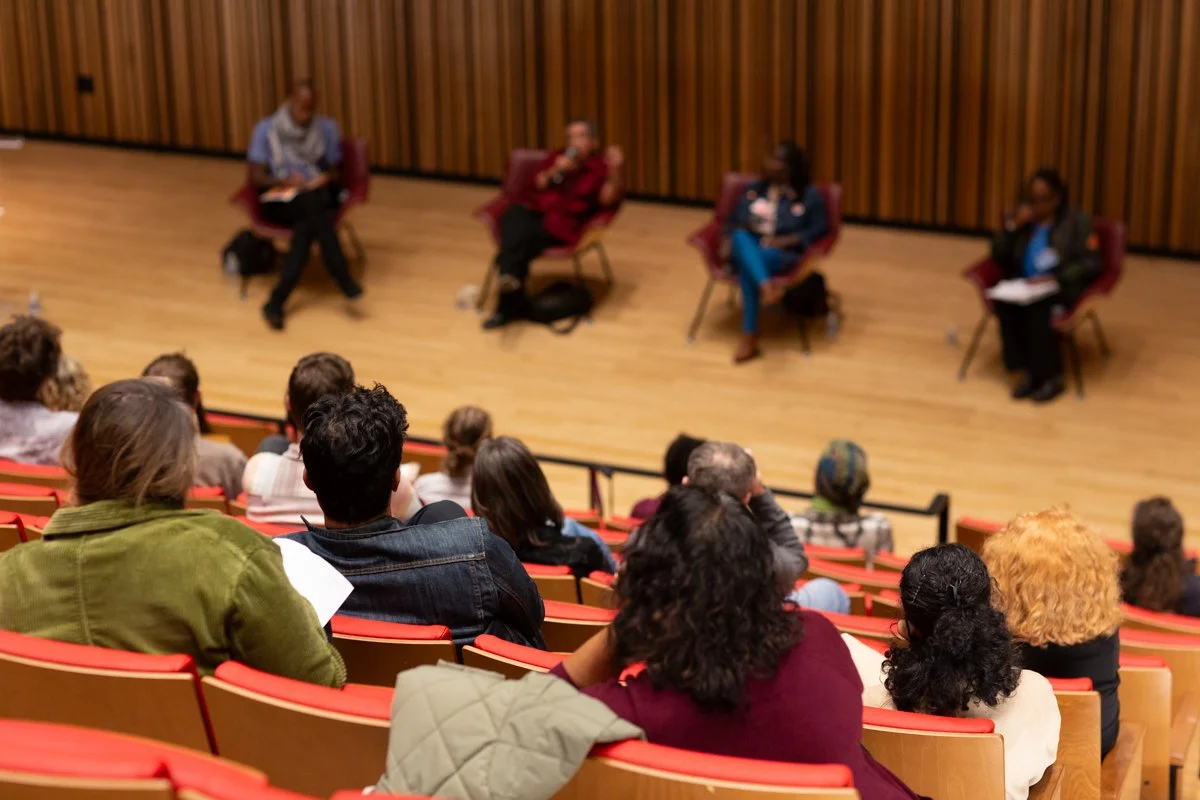
“The goal, as we have come to understand it, is not to bring knowledge to the public. It is to excavate where knowledge is already being made — in the pottery household, on the factory floor, in the walking interview, in the room where parents finally get to speak — and to create the conditions under which that making can be seen, heard, and taken seriously. That is what these seven pieces do. That is what we are trying to build.”
At What Cost? A Damage-Control Photographer's Counter-Archive (Photo Essay)
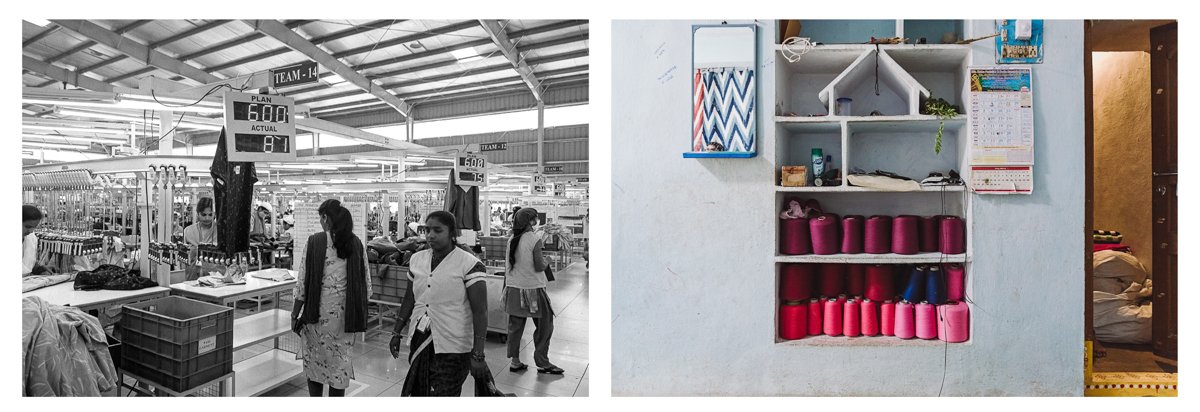
“When we place two images side by side, we create a diptych, which asks the viewer to read them against or along each other. I decided to produce a series of black-and-white and colour diptychs depicting these opposite worlds. But as the pairings took shape, I realised the diptychs were doing something more than merely comparing — they were making an argument. Colour held the embodied knowledge, the cultural inheritance, and the texture of life organised around craft. Black and white depicted extraction, speed, and the monstrosity of mass production.”
What the System Sees as Parental Engagement — And What It Misses
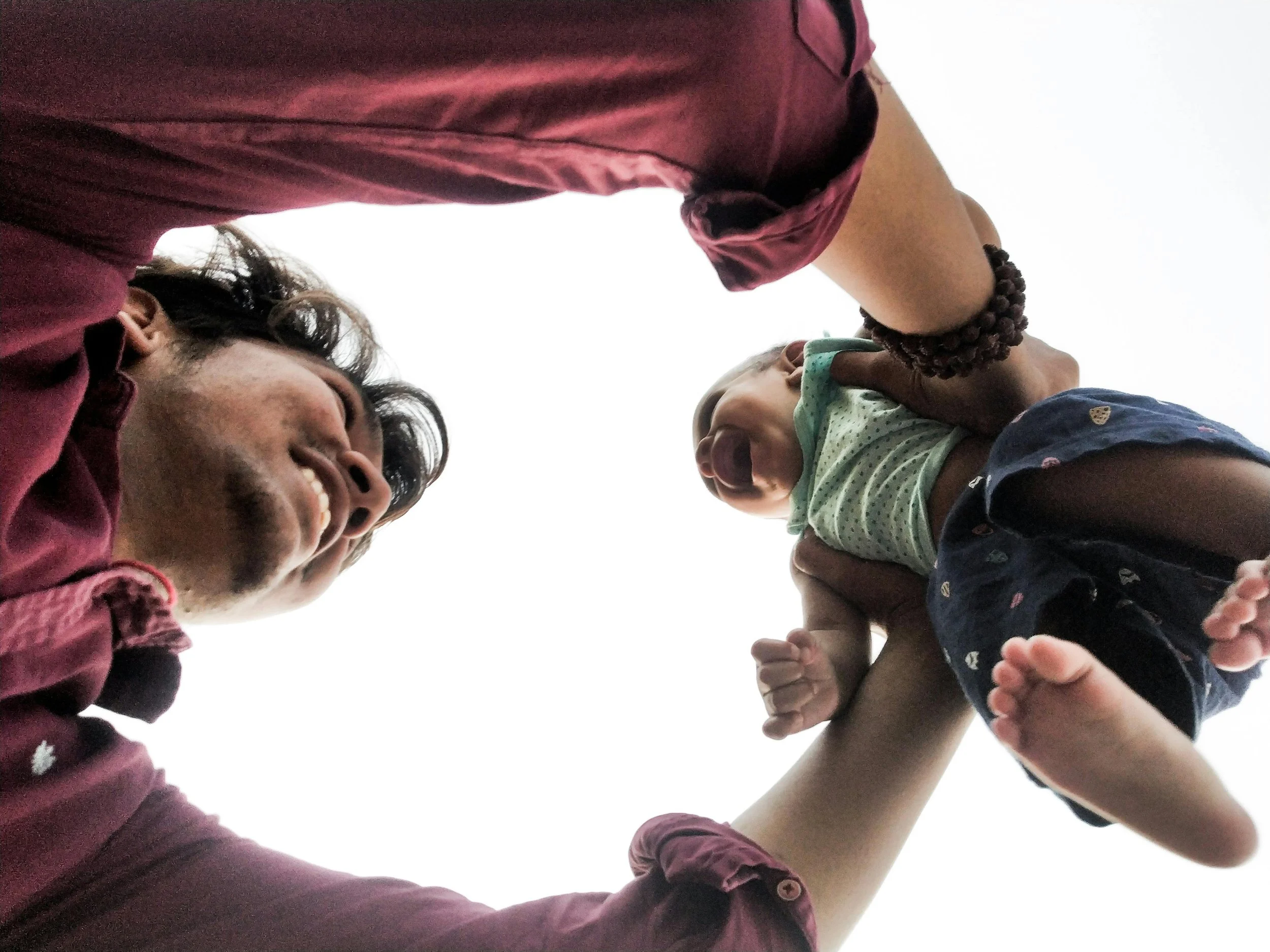
“A 36-year-old mother from the Bargaon block, for instance, described leaving home before sunrise to attend a school meeting. She walked to the main road, took a shared transport, travelled around 35 km to attend the Parent-Teacher Meeting, and returned late in the evening, losing a full day’s wage. “If I don’t go,” she told me, “they think I don’t care. But if I go, we don’t earn that day.” She paused, as if weighing the decision again. For her, participation was not about willingness. Rather, it was shaped by what she could afford.”
Bodies of Evidence: Toolkit-making as feminist praxis, or how Indian feminists joined forces against online gendered disinformation
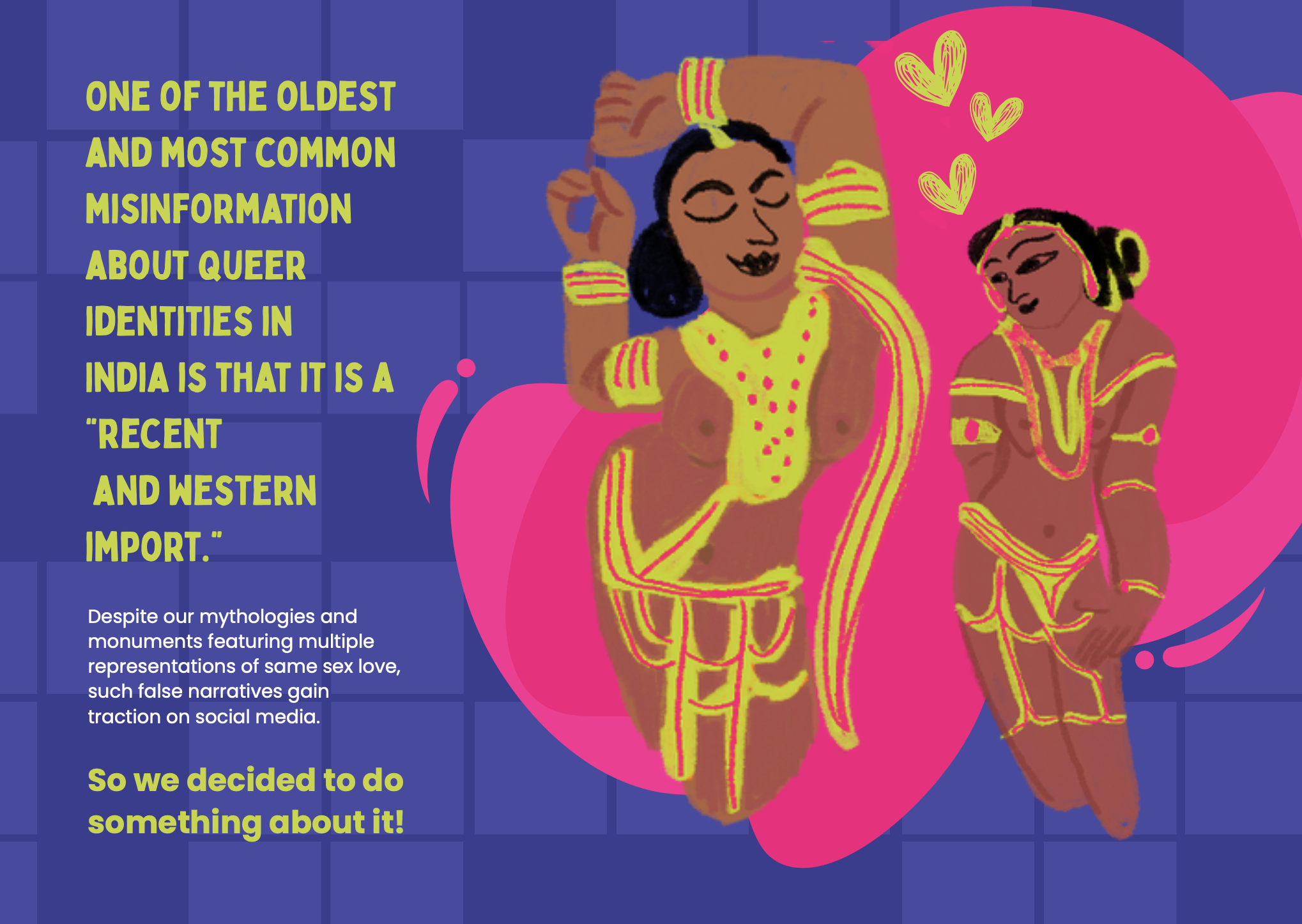
“Keeping these questions front and centre, my co-researchers and I set out to design a community-evolved and community-focused resource that could forefront these complexities and contradictions. By the end of the project, however, I had emerged with more than just a toolkit; rather, with a renewed affirmation in the power, possibility, and politics of feminist ethnographic practice rooted in shared responsibility, memory, and emotions (which define feminist ethnographic approaches. “
Performing for the State: On the price of making knowledge public (Photo Essay)
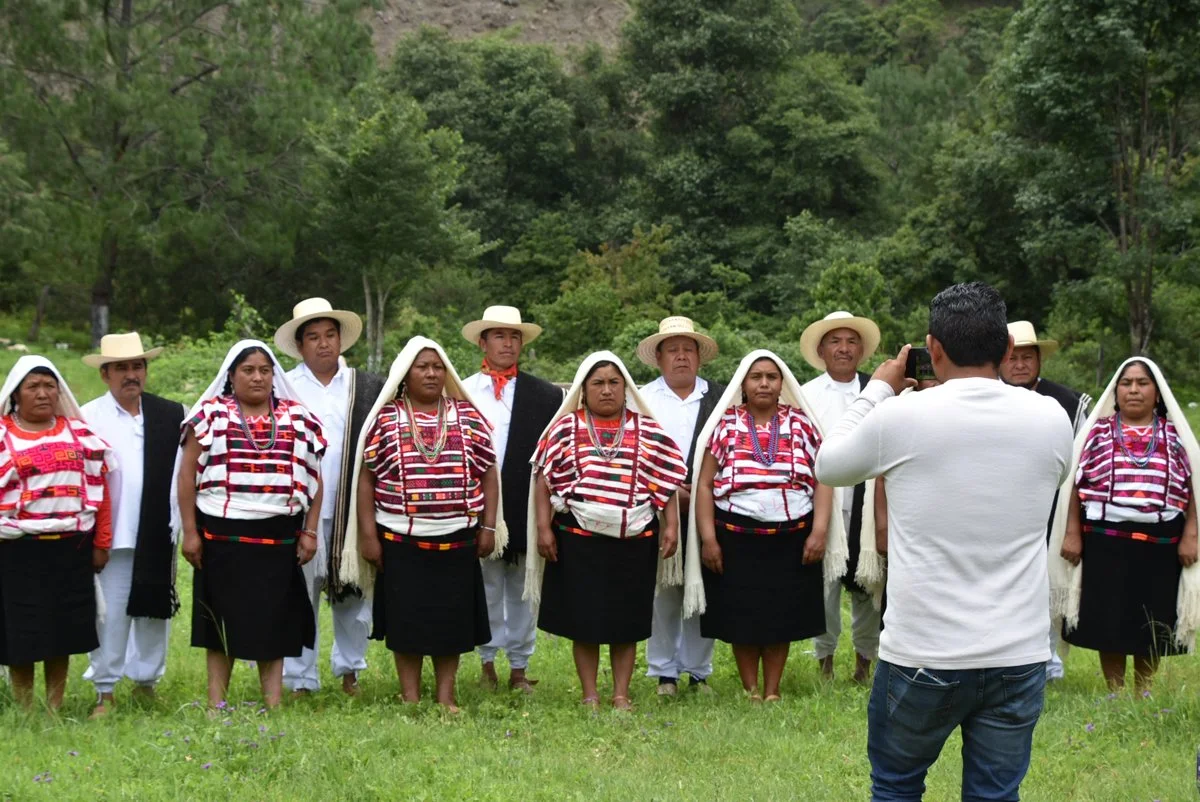
“The problem sharpens when placed alongside what the decree is trying to protect. The knowledge at the heart of Decreto 473 — the geometric patterns woven into the community’s huipiles, the stories behind each band of embroidery, the technique of the backstrap loom — is precisely the kind of knowledge that cannot be inherited. It has to be learned.”
“That Is Not What This Place Is to Us”: Adaptive Reuse, Public Ethnography, and the Politics of Knowing in Rural West Texas
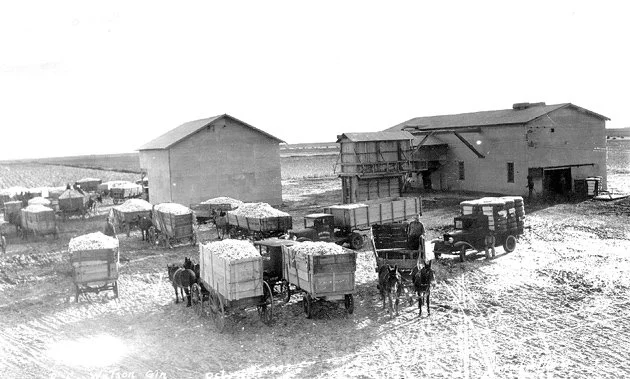
“The project asked a deceptively simple question: how should the small towns of the southern Plains imagine the future use of their historic agricultural and civic infrastructure — gins, grain elevators, feedlots, courthouses, downtown storefronts — given declining tax bases, aging populations, and the slow erosion of the fabric that once held communities together? Our studio’s working hypothesis, which we carried into the project before that first meeting, was that the answer could not be designed for these communities from the outside; it had to be designed with them.”
What gets remembered? An Ethnographic Exploration of Gentrification and Lead Poisoning in New York City
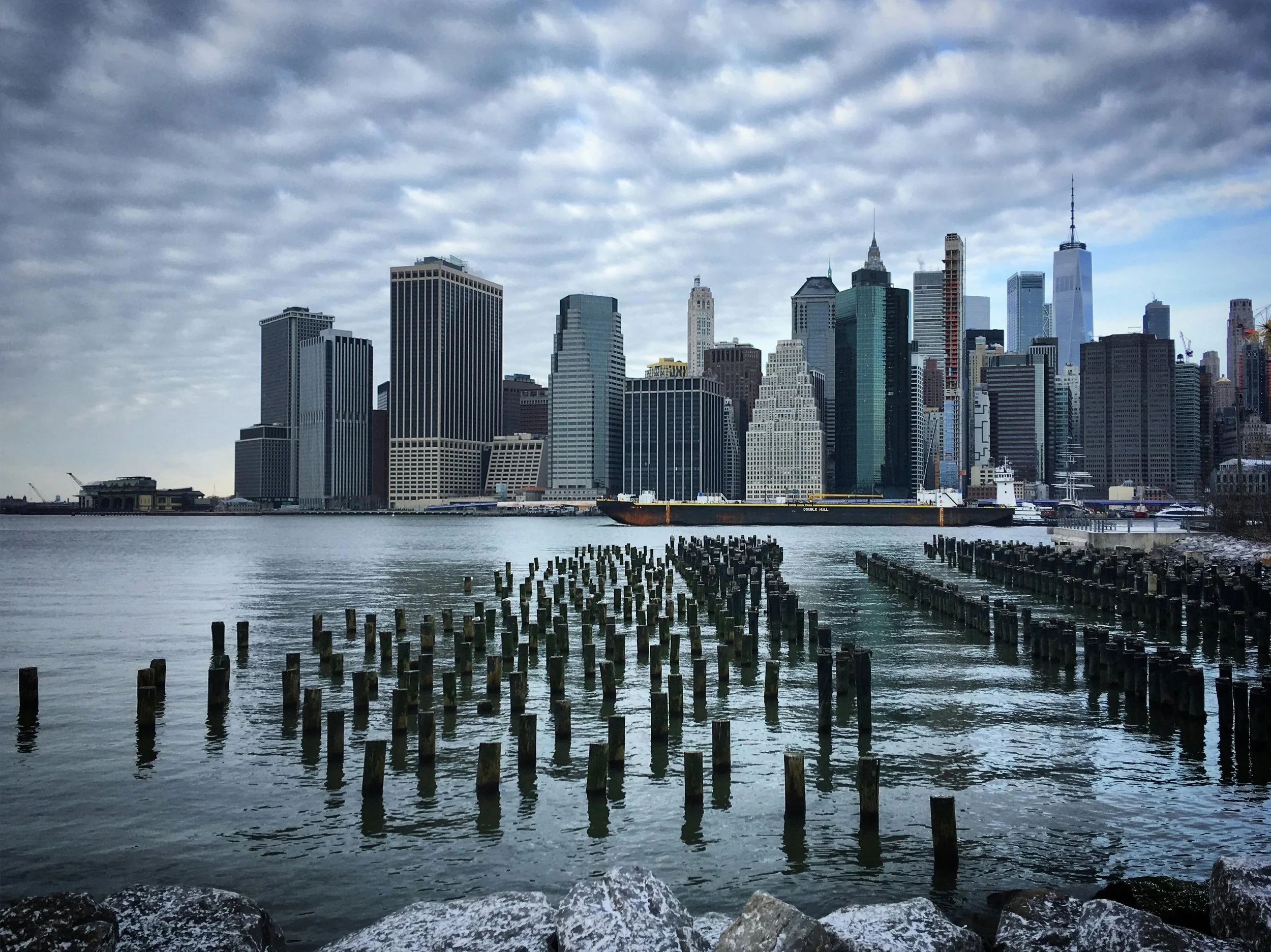
“The walking ethnography is a tool for embodied learning – a process in which the researcher decenters themselves, and instead lets movements, sights, sounds, and hearing lead the way. Through this emplacement, the walking ethnography took me away from the top-down analysis of my initial research and embedded me within the fabric of a neighborhood facing multiple forms of gentrification, environmental fallout, and public health issues. Triangulated with other qualitative methodologies, the walking ethnography can be a vehicle for connecting the past to the present, and for interrogating the multiple visions, framings, and understandings of complex social processes in the world around us. “

Making, Narrating, Knowing: Practicing Pottery as Public and Political Knowledge
“As I grew older, I kept my artistic heritage alive. Although I went on to study literature, folklore, and earned different certifications, one aspect of childhood stayed with me- the touch of clay and its stories. When I further entered the world of professional art, I felt a tension with what kind of knowledge was seen as legitimate. These academic spaces insinuated – or claimed directly – that knowledge is valued when it is written, structured, and formally taught.”