

Performing for the State: On the price of making knowledge public (Photo Essay)
Jean-Yves Taranger is a PhD candidate in Social Anthropology at the University of Zurich. His doctoral research in Oaxaca, Mexico is funded by the Swiss National Science Foundation, under grant #211617.
Contact the author: jean-yves.taranger@uzh.ch
Keywords
Strategic essentialism; epistemic violence; indigenous intellectual property; visual ethnography; textile appropriation; Mexico
Methodological Takeaway:
The gap between living knowledge and legal text documented here is not unique to Decreto 473 or to Mexico: it is structural to any encounter between oral, plural, and living epistemologies and the written, fixed demands of state law. What fieldwork makes visible — and what this essay attempts to hold — is the distance between the process and the document that survives it.
AI Disclosure:
Author used Claude (Anthropic) for grammar refinement and editing. All substantive writing, voice, and content remain the author’s own.
Author’s Note
The visual and textual record I produce here is offered back to the community as one account among several. Dedicated to the traditional authorities of Santo Tomás Ocotepec, who tasked me with the behind the scenes of their fight for legal recognition.
Jorge Rivero Aguilar (Municipal President), Elisabeth Bautista (Master Weaver), Delfina Cortes Bautista (Early Childhood Teacher), Melchor Mario Reyes (Local Historian), Gregorio Cortes Hilario (Sports Authority), Artemio Silva Ortiz (Alternate Municipal President), Víctor Rodríguez España (Councilor for Culture and Sports, Porfirio Miguel Rivero García (Councilor for Health), Inés Santiago García (Municipal Trustee), Jaquelina Catalina López Ortiz (Councilor for Ecology), Idelia Avendaño García (Councilor for Markets and Cemeteries), Laura Rodriguez Cruz (Councilor for Public Works), María Bautista Aguilar (Councilor for Education), Sandra Aparicio Rivero (Alternate Councilor for Education), Maria Luisa Reyes Cruz (Librarian)
Santo Tomás Ocotepec, Oaxaca · June 27, 2025 · All photographs by Jean-Yves Taranger
Photos are followed by an accompanying essay
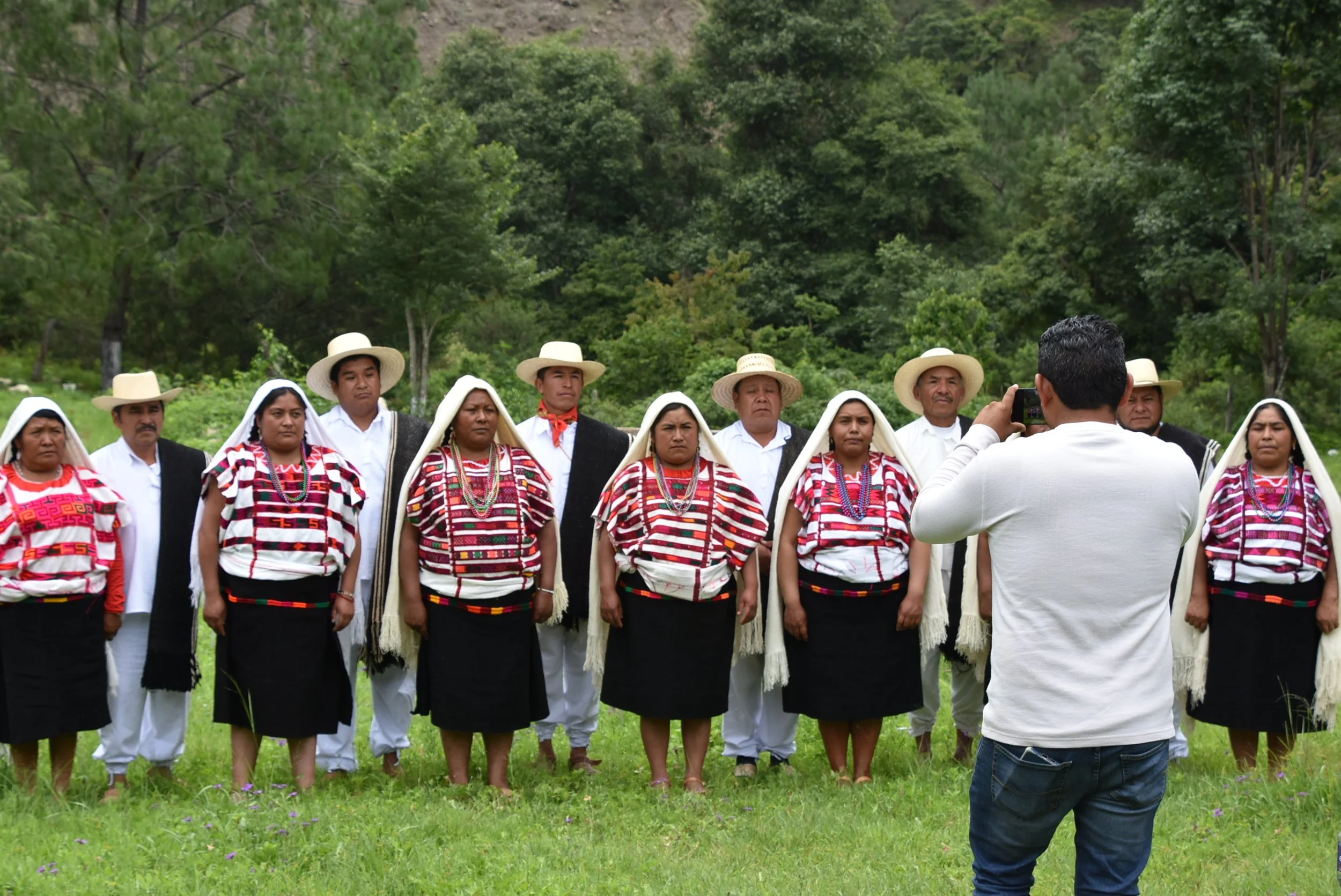
Figure 1: Group portrait of the Municipal Authorities of Santo Tomas Ocotepec, who before the shooting finished, tasked me and the video crew with capturing a final “ group portrait” for posterity. The media crew produced a social media video. I produced this photo-essay.
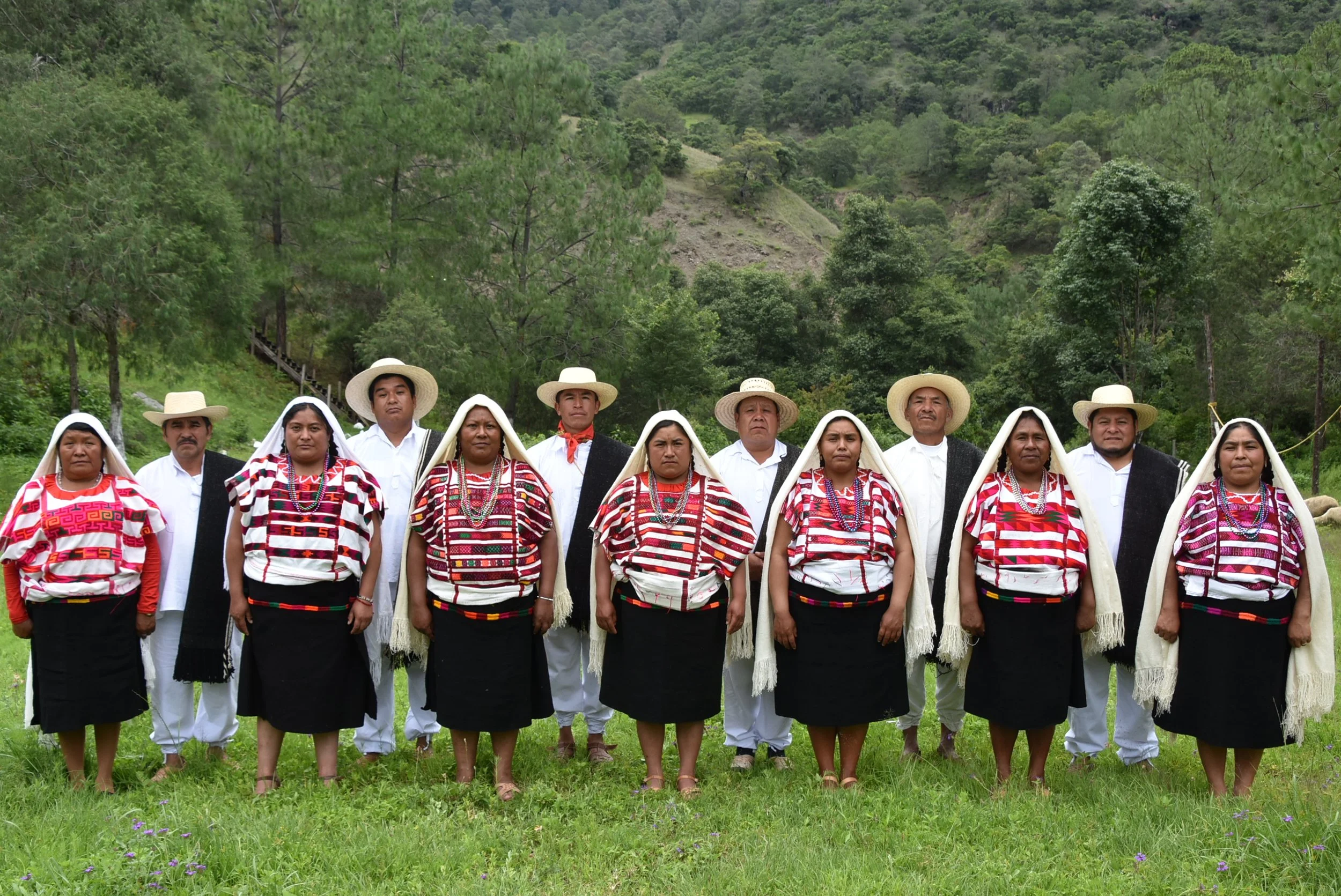
Figure 2: This “formal”group portrait did not make it into the 2 minutes 45 seconds long video circulating on social media. The media crew and I had different commitments and objectives. I was complying to the local authorities' directions; the media crew was working for the government legislature.
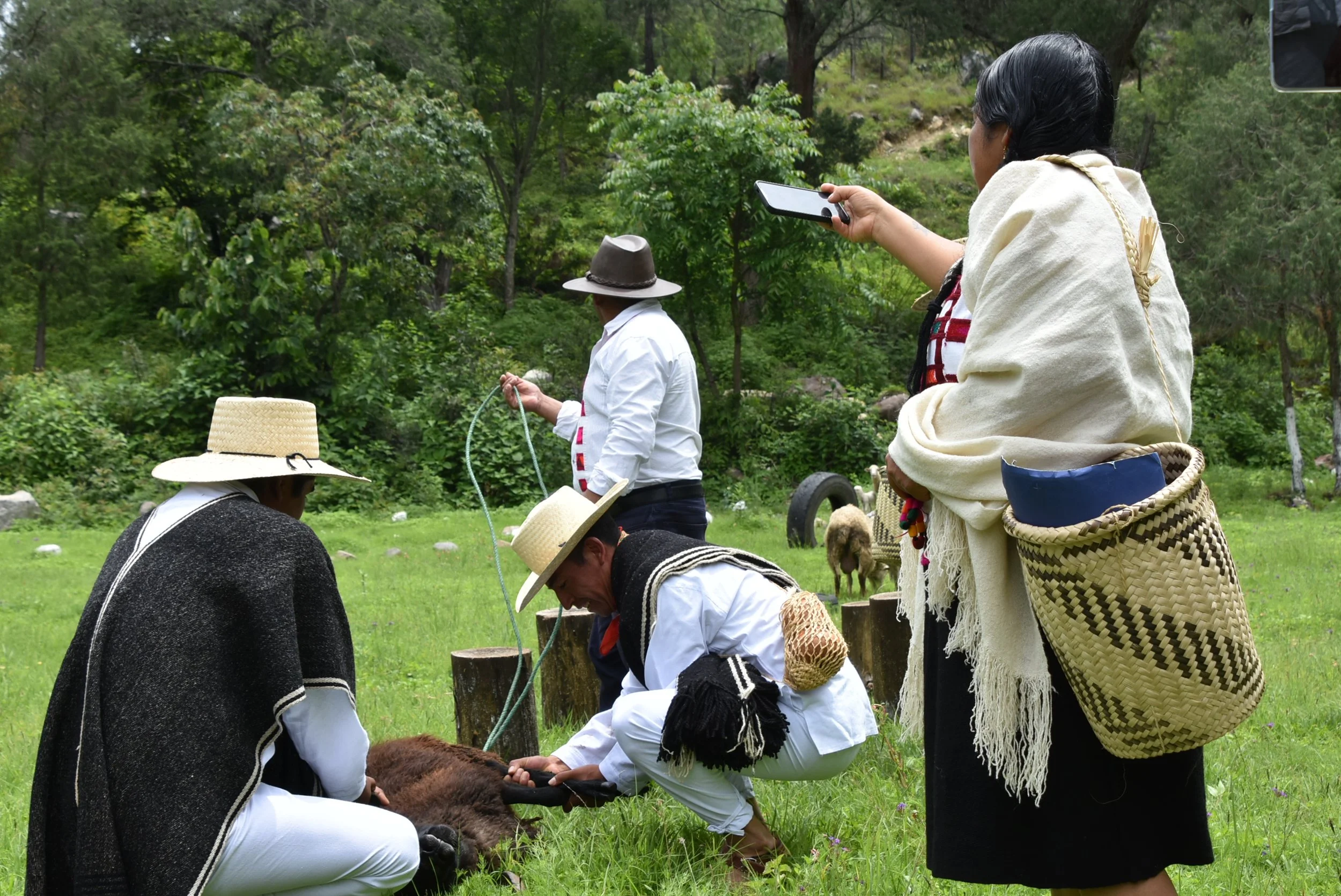
Figure 3: Each person assembled that day produced their own account of the event, shaped by what they were there to capture. My camera and my ethnographic record differ from everything else produced that morning.
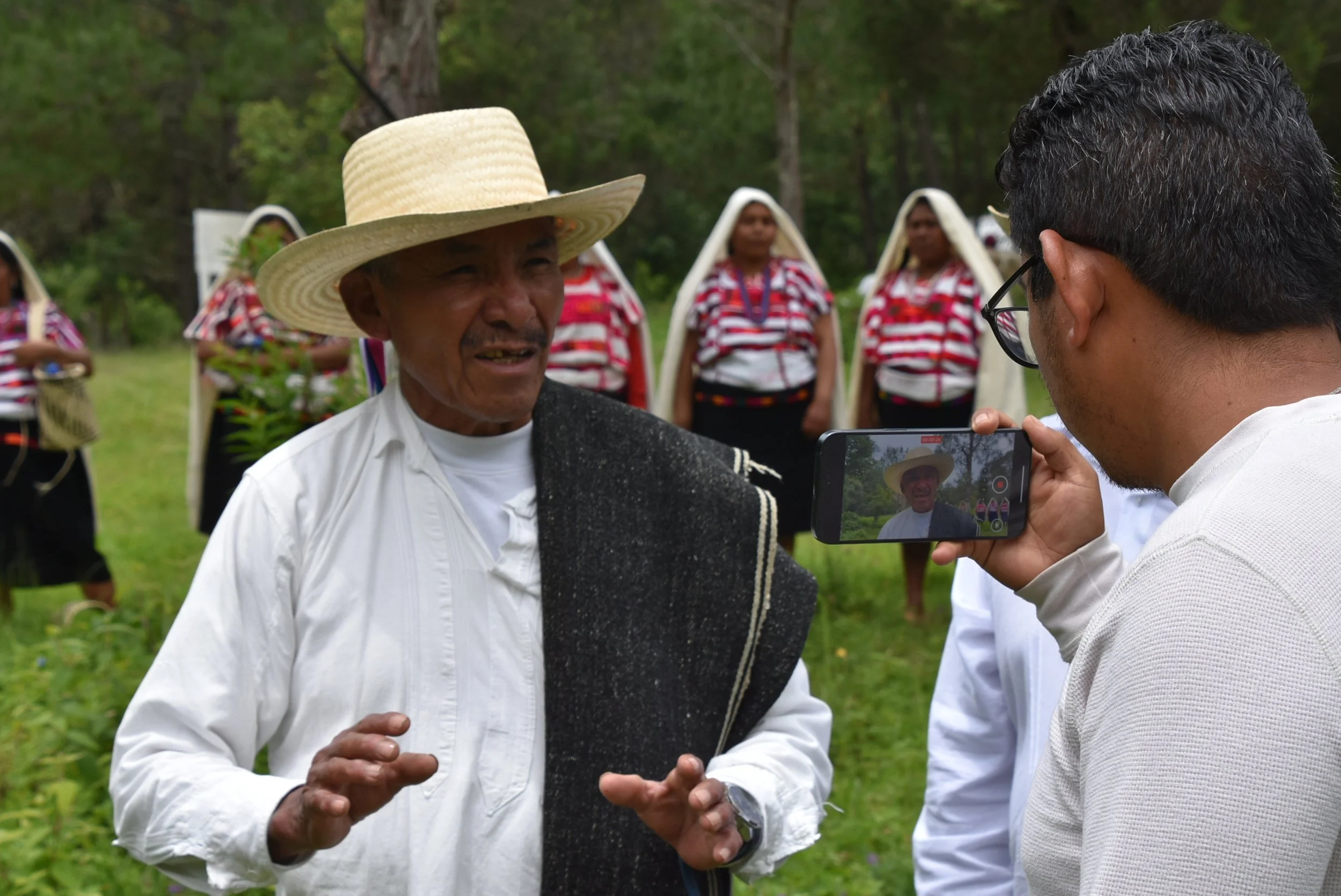
Figure 4: Don Melchor rehearses his scripted lines multiple times for the state camera: "I take great pride in wearing this traditional clothing from my community. I feel no shame because I am of Original blood." He knew exactly what he was doing. When I asked him how he felt about the shoot, he said: "It was about time. I hope the authorities will follow up."
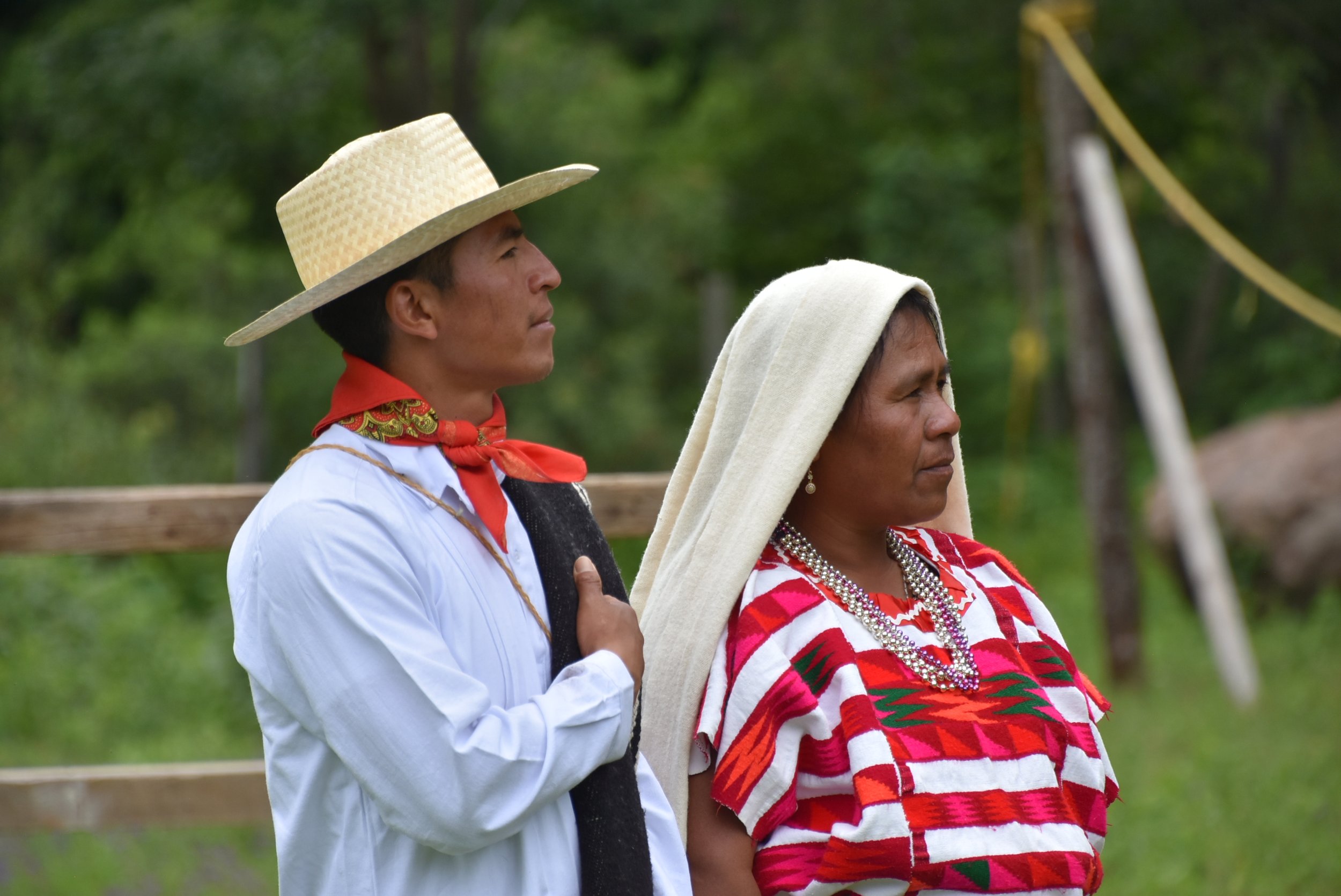
Figure 5: The professional crew constructed timeless scenes the authorities willingly participated in the performance, proud to represent their cultural identity.
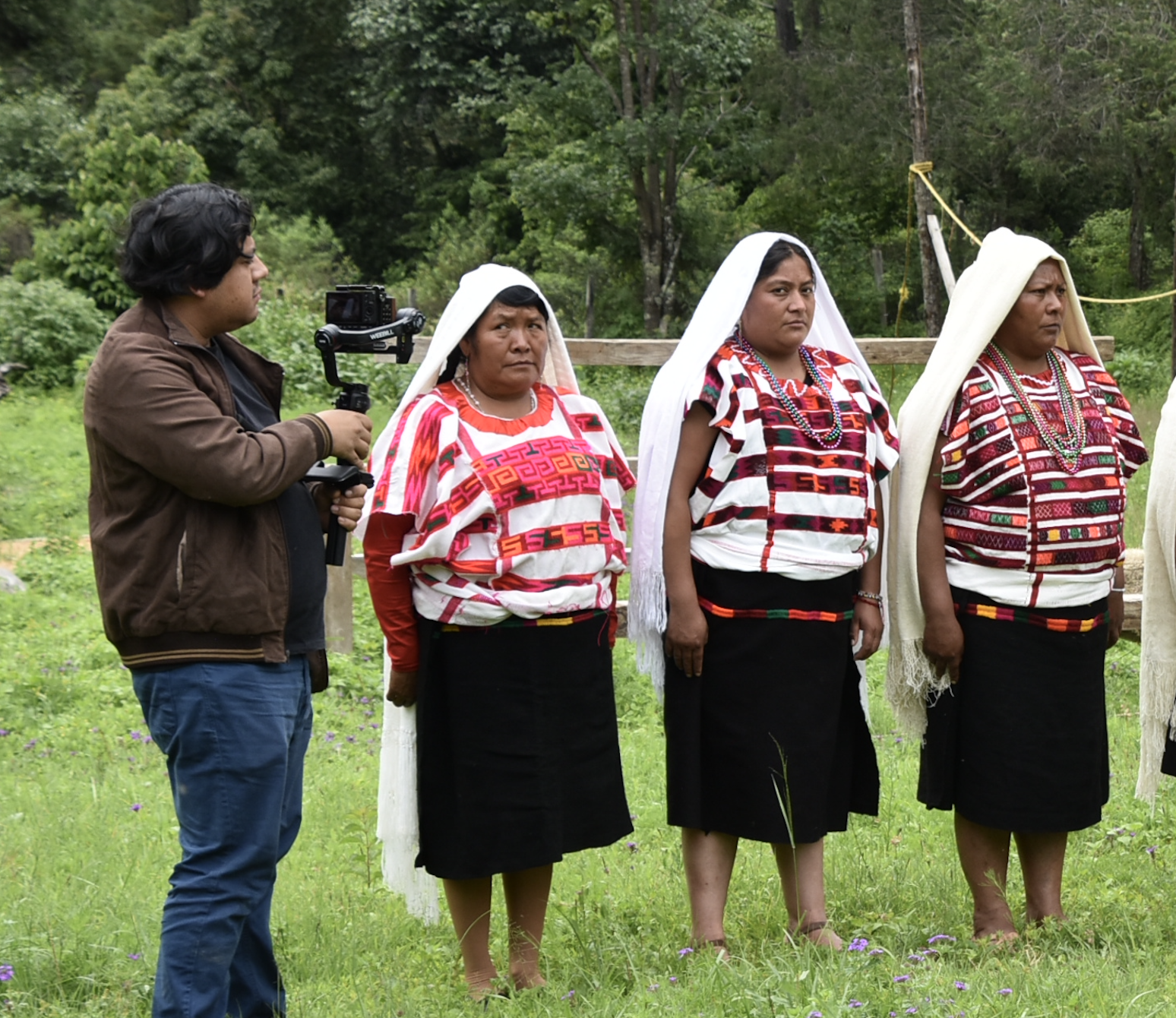
Figure 6: The positions were staged, the faces were not.
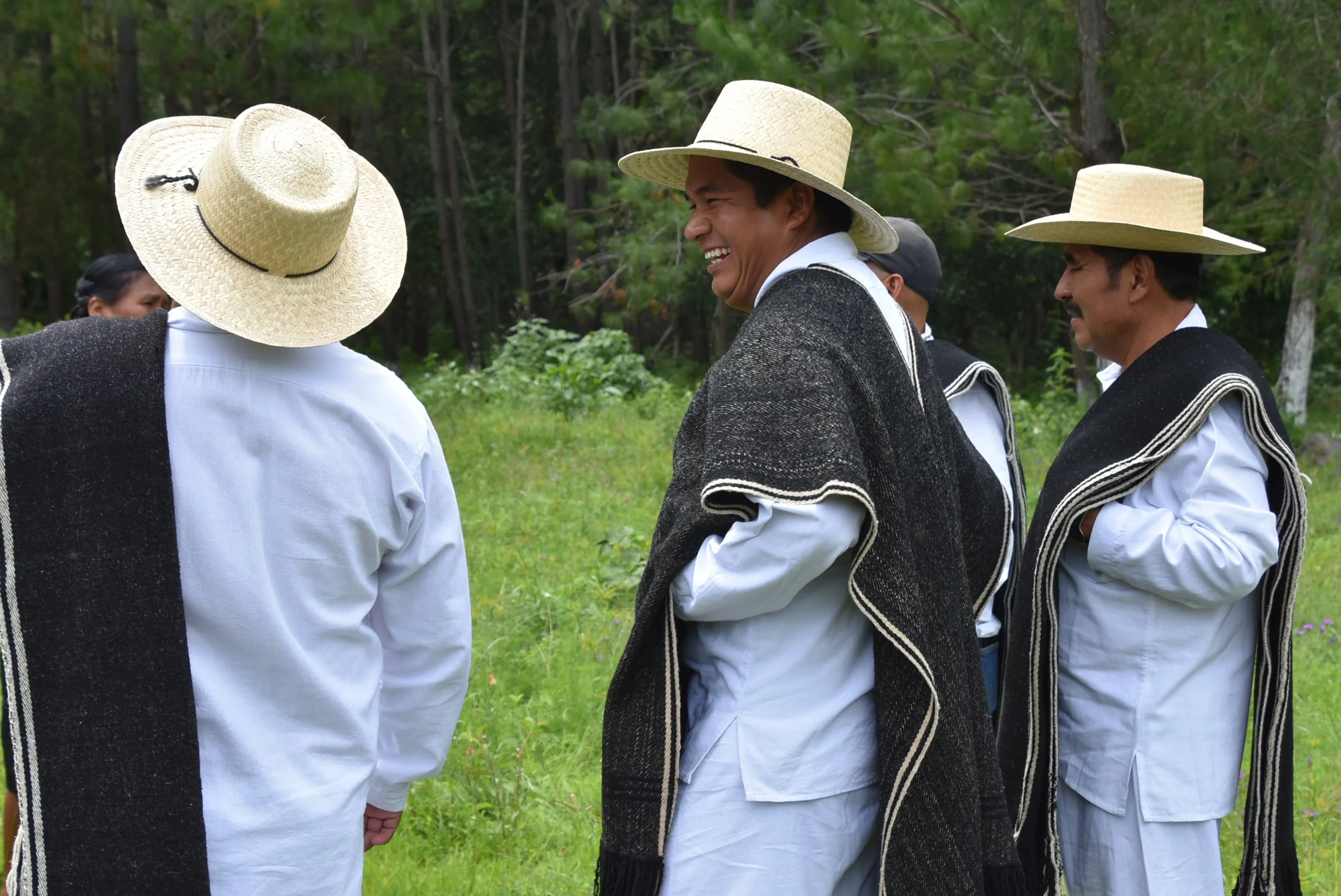
Figure 7: Municipal authorities between takes. None are performing.
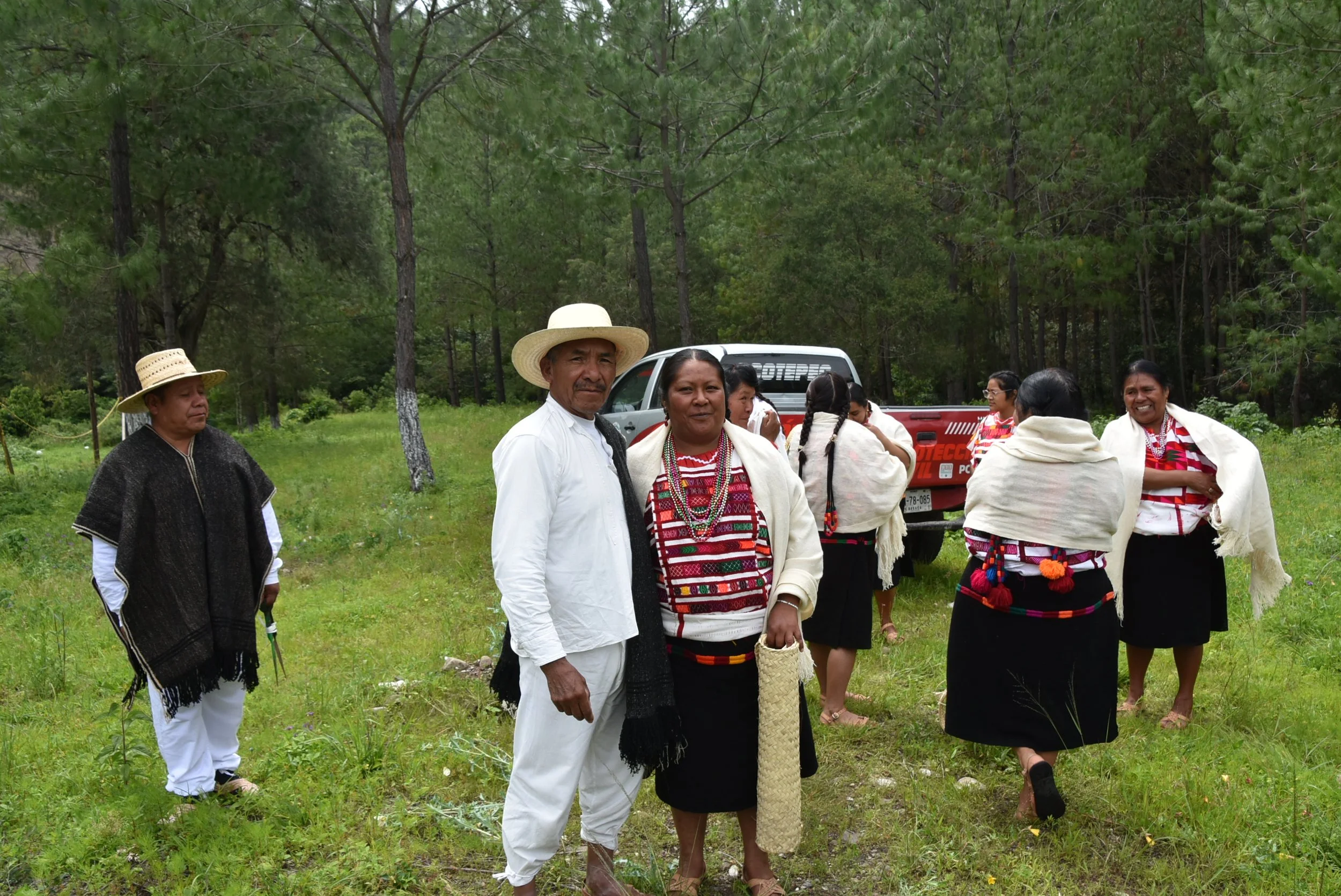
Figure 8: I arrived at the scene of the shooting on the back of a pickup truck — driven by the municipal authorities — to a wooded clearing alongside the Yute Suji river. The pickup trucks that had brought us were kept out of every shot, as were phones and plastic bottles — that would place the scene in the present rather than an unmarked, timeless past.
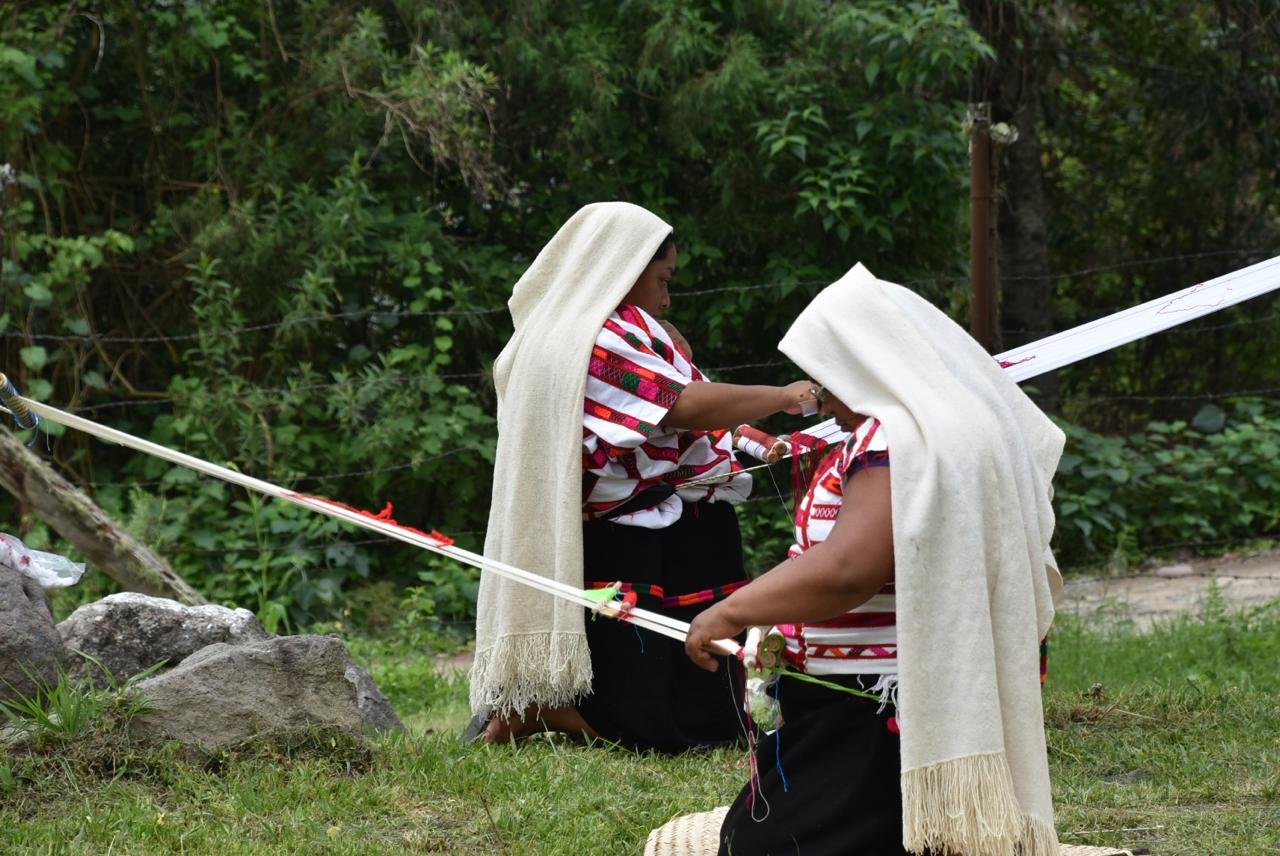
Figure 9: Master weaver Elisabeth Bautista and early childhood educator Delfina Cortes demonstrate the backstrap loom. The law protects the cloth. But the cloth is nothing without the hands that make it, and the hands are nothing without someone willing to teach them. That part- the teaching- the law cannot protect.

Figure 10: Decreto 473 records this pattern as one among an “infinity” of local designs.
Introduction
Since 2015, I have been regularly visiting Ñuu Tee Suji gradually building a relationship of trust with the rotating traditional authorities of this municipality in the Mixteca Alta, a highland region in the mountains of Oaxaca. The municipality is home to roughly 4,000 people, the majority of whom speak Tu'un Savi, alongside Spanish. On the morning of June 27, 2025, I was woken by a knock at my door: municipal authorities were inviting me to join the day’s main event, the filming of a government-sponsored video intended to promote the adoption of a cultural heritage protection law. The law, grounded in Mexico’s 2022 federal framework for Indigenous cultural heritage protection (México 2022), aimed to establish legal certainty over the community’s distinctive textile identity — providing the authorities with a formal mechanism to challenge the unauthorized commercial exploitation of their cultural heritage, something they had been fighting to achieve for the past years (H. Congreso del Estado Libre y Soberano de Oaxaca 2024)). Without hesitation, I grabbed my camera, climbed into the back of a pickup truck, and set out to document the process. A media team dispatched from the state capital of Oaxaca by an elected deputy had been tasked with producing the promotional video, and I joined them as they worked alongside local authorities.
This advocacy had already produced one legal victory: in 2024, the previous legislature had recognized the community's traditional dance as intangible cultural heritage. Decree 473 represented a second move — this time directed squarely at the textiles, their patterns, and the knowledge required to produce them. The video shoot I joined that morning was conceived as a promotional video intended to circulate on social media. The initiative had been commissioned by the region's elected deputy, whose legal team had researched the history and oral history of the garments and their designs, drafted the legislative proposal, and sent a professional media crew from the state capital to carry out the shoot. Months later, on September 17, 2025, the legislature approved Decree 473 with 29 votes in favor. The video had done its work. The community had won. Yet that victory came at a cost.
The Shoot
I rode down to the river, wedged in the back, in one of the three pickup trucks carrying the local authorities dressed in their traditional clothes. The clearing where we parked had been chosen weeks earlier given its lush vegetation alongside the river. When we arrived, the state media crew was not yet there; the authorities used the wait to dress, to tighten the ribbons in their hair, to talk about what was about to happen. Nobody knew exactly how this would go.
The film director — a man from the state capital whose role was to deliver finished footage to the Legislature — arrived half an hour later in a separate vehicle with a cameraman. He stepped out, greeted everyone briefly, and turned to the municipal president.
“Can you tell us who we can use for the interview — who can express themselves in dialect? We have the whole script here. We already came prepared for what’s going to be done. We already have the shots.”
The authorities chose Don Melchor as their spokesperson. I have known him for eight years: a local historian who can hold a room for an hour describing the origins of the community, the histories encoded in textile patterns, the long relationship between the People of the Rain (Ñuu Savi) and their land. He was chosen precisely because of his deep expertise. I felt uncomfortable with how the director addressed the traditional authorities. The use of “dialect” rather than “language” — reproduces a colonial hierarchy in which indigenous languages are cast as a degraded variant of a proper language rather than a fully autonomous linguistic system- a hierarchy the Mexican state formally renounced in 2003, when the Ley General de Derechos Lingüísticos de los Pueblos Indígenas recognised indigenous languages as “national languages” of equal validity to Spanish (Mexico,2003). Twenty-two years later, the director’s phrasing carried the hierarchy the law had tried to retire.
Then the crew director prompted Don Melchor to repeat the following statement:
“I take great pride in wearing this traditional clothing from my community. I feel no shame because I am of Original blood.”
Don Melchor said the words on camera, and as scripted, it went into the final promotional video circulating on social media. The phrase “Original blood” compresses a living community into a biological category. And the line “I feel no shame,” though it responds to a real history of discrimination against Indigenous dress and language in Mexico, is channeled through the state’s own script (original blood), in the state’s own format (social media video), toward the state’s own ends (recognition of the legislature’s work).
The scripted line Don Melchor delivered to the state camera — “I feel no shame because I am of Original blood” — carries more inside it than a declaration of pride. It begins by acknowledging that shame exists: that wearing traditional dress in contemporary Mexico can attract mockery, condescension, or quiet embarrassment. The erasure of Indigenous dress, language, and custom was for centuries the understood price of assimilation and social mobility in Mexico, and its mark persists. The script recognizes the wound. What it offers as remedy, however, is blood.
The phrase is not an invention of the director but borrowed from a “decolonial” shift in the political-linguistic repertoire. Sangre original — Original blood — is an adaptation of the term pueblos originarios, “original peoples,”a term has been promoted as a decolonial substitute for indígena, a word tainted by its colonial etymology. The intent was to honor: to name communities by their precedence — by the simple fact that they were here before the colonial state — rather than by a term the colonial state itself had imposed on them. But blood as an identity marker is fixed at birth. You either carry it or you don’t. No learning, practice, or commitment changes what is in your blood. This is precisely the logic that colonial racial classification depended on: race as something inherited, stable, and unearned. The irony of sangre original is that it reproduces this structure while inverting its moral judgment — what was once used to exclude and demean is now offered as a source of dignity. The hierarchy is reversed; the logic is the same.
Figure 9: Master weaver Elisabeth Bautista and early childhood educator Delfina Cortes demonstrate the backstrap loom. The law protects the cloth. But the cloth is nothing without the hands that make it, and the hands are nothing without someone willing to teach them. That part- the teaching- the law cannot protect.
The problem sharpens when placed alongside what the decree is trying to protect. The knowledge at the heart of Decreto 473 — the geometric patterns woven into the community’s huipiles, the stories behind each band of embroidery, the technique of the backstrap loom — is precisely the kind of knowledge that cannot be inherited. It has to be learned. Elisabeth Bautista, a master weaver, had been teaching Delfina Cortes, an early childhood educator, the technique every Sunday for six months when I photographed them together. The knowledge lives in that transmission — in the patience and repetition of it — not in the bloodline. A decree designed to protect transmissible, relational, living practice is introduced by a script that locates that same practice in biology. The contradiction is not incidental. It defines what kind of thing Indigenous cultural knowledge is taken to be.
Cultural theorist Stuart Hall argued that cultural identity is not a fixed origin we come from but an ongoing production — something made and remade through what we do, what we teach, and who we learn from (Hall, 1990). Don Melchor’s authority as a community historian is not in his blood. It is in decades of listening, remembering, and telling. The state’s script, flattens that history into inheritance. In doing so, it makes Indigenous culture sound like something communities are rather than something they practice — and cultures that simply are do not need to be actively taught, defended, or transmitted. They persist by nature. The quiet efficiency of this move is that it simultaneously celebrates Indigenous identity and softens the urgency of the very protections the decree exists to establish.
What the pattern carries
As the months unfolded and the decree process progressed, the state’s argument took firmer shape. Yet the closer the authorities came to protecting their cultural heritage from appropriation, the more the gap widened between the authorities’ command of their own culture and the state’s official representation of it. First the state legislature sent a professor to conduct research among the weavers, there were internal debates about what counted as “original” and “authentic” . The research results were then translated into the creation of the script for the promotional video and ultimatly for the creation of Decree 473.
Figure 10: Decreto 473 records this pattern as one among an “infinity” of local designs.
Before the crew arrived on the day of filming, several authorities explained to me the meanings behind the patterns woven and worn by women. Weaver Elizabeth Bautista shared the legend behind the pattern shown above. In her account, the triangles are butterfly wings. She told me the story of a great drought and famine during which weavers kept weaving despite hunger. Then sacred butterflies landed on their looms and told them to be patient — that the hunger would soon pass. Don Melchor shared another story from the same famine: that of the NDOSO, a powerful spirit being in the local oral tradition, who appeared as a dog carrying a loaf of bread in its mouth. Seizing the opportunity, the community stoned the dog, gathered the loaf, and distributed one crumb per person — enough for everyone to survive until the harvest returned. The loaf of bread legend and the sacred dog made it into the law recognized by Decreto 473 (p.7). But Elizabeth Bautista’s butterflies did not and neither did the interpretive frame that both Elizabeth and Don Melchor hold: that these are not stories but living ethics — what it means to divide one loaf when everyone is hungry, or to keep weaving through hunger. Instead, the law protects one story for one pattern. This is because doing otherwise would undermine the clarity of the law and its interpretation. A decree that says “this pattern means X, or Y, or Z, depending on who you ask” protects nothing — courts cannot adjudicate competing claims using a deliberately plural text. The price of protection is singularity (Noble, 2007). Law and living knowledge operate on incompatible logics: law requires one answer; traditional knowledge holds many simultaneously without any being wrong (Rivera Cusicanqui, 2020). The collapse of plurality into singularity is the cost of law itself. Decreto 473’s own structure makes this visible: its operative clause — a single article, labeled ÚNICO, meaning “sole” — carries the full legal force of the instrument, while the twenty-nine pages of oral histories, cosmological narratives, and competing pattern meanings that precede it carry none. The body of the decree is evidence for the claim; only the single article is law. To be recognized, the community had to become legible to the state — and in doing so, was only partially recognized by it.
References
Hall, S. (1990). Cultural Identity and Diaspora. In J. Rutherford (Ed.), Identity: Community, Culture, Difference (pp. 222–237). London: Lawrence & Wishart.
Rivera Cusicanqui, S. (2020). Ch'ixinakax utxiwa: On decolonising practices and discourses. Polity Press.
H. Congreso del Estado Libre y Soberano de Oaxaca, LXV Legislatura. 2024. Dictamen con proyecto de decreto por el que se declara a la tradición histórica, cultural y artesanal denominada "Danza de la aguja" de Santo Tomás Ocotepec, como Patrimonio Cultural Inmaterial del Estado de Oaxaca. Expediente Núm. 129. Comisión Permanente de Culturas, Artes, Juventud, Cultura Física y Deporte, 2 de julio de 2024.
H. Congreso del Estado Libre y Soberano de Oaxaca, LXVI Legislatura. (2025). Decreto 473: por el que se reconocen como elementos culturales identitarios materiales e inmateriales del Estado de Oaxaca los conocimientos, técnicas, diseños y bordados para la elaboración de las blusas, soyates y enredos de la indumentaria típica, así como el atuendo femenino y masculino de Santo Tomás Ocotepec, Distrito de Tlaxiaco, Oaxaca. Aprobado el 17 de septiembre de 2025. Expediente 24, Comisión Permanente de Culturas y Artes.
Noble, B. (2007). Justice, Transaction, Translation: Blackfoot Tipi Transfers and WIPO's Search for the Facts of Traditional Knowledge Exchange. American Anthropologist, 109(2), 338–349
México. (2003). Ley General de Derechos Lingüísticos de los Pueblos Indígenas. Diario Oficial de la Federación, 13 de marzo de 2003.
México. (2022). Ley Federal de Protección del Patrimonio Cultural de los Pueblos y Comunidades Indígenas y Afromexicanas. Diario Oficial de la Federación, 17 de enero de 2022.