

When Parents Speak and Practitioners Listen: A Bottom-Up Workshop on Early Childhood Interventions among Borana Pastoralists, Ethiopia
Wario Wako is a PhD student at the University of Zurich, Department of Social Anthropology and Cultural Studies. He is currently conducting his PhD research on “An Ethnographic Look into Early Childhood Development Interventions among the Borana Oromo Pastoralists of Southern Ethiopia” as part of the Swiss National Science Foundation-funded project, “Saving Brains? Applying Ethnography to Early Childhood Interventions in the Global South” under the supervision of Professor Dr. Gabriel Scheidecker. Wario is a former senior lecturer and researcher at Jimma University, School of Social Work, Ethiopia. He earned his BA degree in Social Work from Addis Ababa University (Ethiopia) in 2017 and his MA in Social Work from Jimma University (Ethiopia) in 2020. As an inspiring young researcher, he has produced many research publications in reputable journals.
Affiliations
University of Zurich, Department of Social Anthropology and Cultural Studies, Switzerland
Borana University, Department of Social Anthropology, Ethiopia
Keywords
Parents; early childhood intervention; bottom-up research; non-governmental organizations (NGOs) practice; Global South; cultural imperialism; environmental crisis; hunger; displacement; Ethiopia
Methodological Takeaway:
“Ultimately, the workshop created opportunities for parents to speak and practitioners to listen, challenging the predominantly top-down interventions model. More than a one-time event, it modeled what bottom-up communication looks like in practice: slow, uncomfortable at times, but essential for interventions that genuinely serve the communities they claim to support. The question now is whether this dialogue can be sustained and whether the institutional structures governing ECD work can adapt to accommodate the epistemological shift it demands. Thus, without systemic reforms, even well-designed forums for dialogue may serve merely as symbolic gestures rather than generating substantive transformational outcomes.”
Introduction
This article examines a bottom-up workshop on early childhood interventions that brought together parents, NGO practitioners, government workers and academic scholars in the Yabello town of the Borana zone in southern Ethiopia. Some of these participants were individuals who took part in my doctoral research, which was conducted over six months, from September 2024 to February 2025, in the Dubuluk Internally Displaced People (IDP) camp, situated in Dubuluk district. The district is located approximately 70 km from Yabello town and 640 km from Addis Ababa. The population relies primarily on pastoralism, a livelihood increasingly threatened by prolonged drought. This environmental crisis has resulted in widespread food insecurity, livelihood disruption, and displacement, making the area a focal point for numerous early childhood development (ECD) interventions implemented by non-governmental organizations (NGOs).
Early childhood development interventions in the Global South typically follow a top-down implementation model driven by external experts, with parents positioned as passive recipients rather than active partners (Woodhead, 2006; Britto et al., 2011). In sub-Saharan Africa specifically, ECD programs imported from Western contexts often fail to incorporate local cultural knowledge and parental perspectives, perpetuating what scholars have termed "cultural imperialism" (Pence and Marfo, 2008; Oppong and Strader, 2022). Teo (2010) describes such practices as "epistemological violence"—the systematic privileging of Western knowledge systems over indigenous understandings.
Within this context, communities targeted by ECD interventions have been subject to what Bertoli et al. (2024) call "infantilization", where parents and communities are treated as less capable and less competent. In this situation, interventionists make all decisions without meaningful community input. Such a top-down approach not only excludes parental voices from the design process but also reinforces colonial legacies that position local knowledge as deficient or irrelevant (Oppong and Strader, 2022). Thus, addressing these biases and developing an ECD evidence base that genuinely values cultural diversity is essential for offering meaningful support to families in the Global South (Scheidecker et al., 2022).
Despite the recognition of these problems in academic literature, parents in ECD programs rarely receive opportunities for direct engagement with practitioners to offer feedback. However, such engagement challenges the longstanding top-down approach by recognizing parents as knowledgeable stakeholders.
During the workshop, participants engaged in facilitated discussions and reflective dialogues. This participatory approach not only ensured that the findings were grounded in lived realities but also strengthened the analytical rigour by incorporating cross-sectional feedback. The data for this study were analyzed thematically by identifying, analyzing, and reporting patterns (themes) within the data. As ethical considerations, the study ensured respect for participants’ privacy, obtained informed consent, and maintained confidentiality and anonymity throughout the study.
When Parents Speak: A Bottom-Up Approach to ECD Interventions
On 30 July 2025, at 9:00 a.m., parents, NGO practitioners, government representatives, and academic scholars gathered at Nigat Hotel in Yabello for the workshop. This gathering marked the beginning of the research validation workshop for my doctoral study entitled "An Ethnographic Look into Early Childhood Development (ECD) Interventions among the Borana Oromo Pastoralists of Southern Ethiopia." Participants took their seats with a shared sense of purpose, recognizing that the workshop created an exceptional opportunity for parents and practitioners to sit together and share ideas on equal terms.
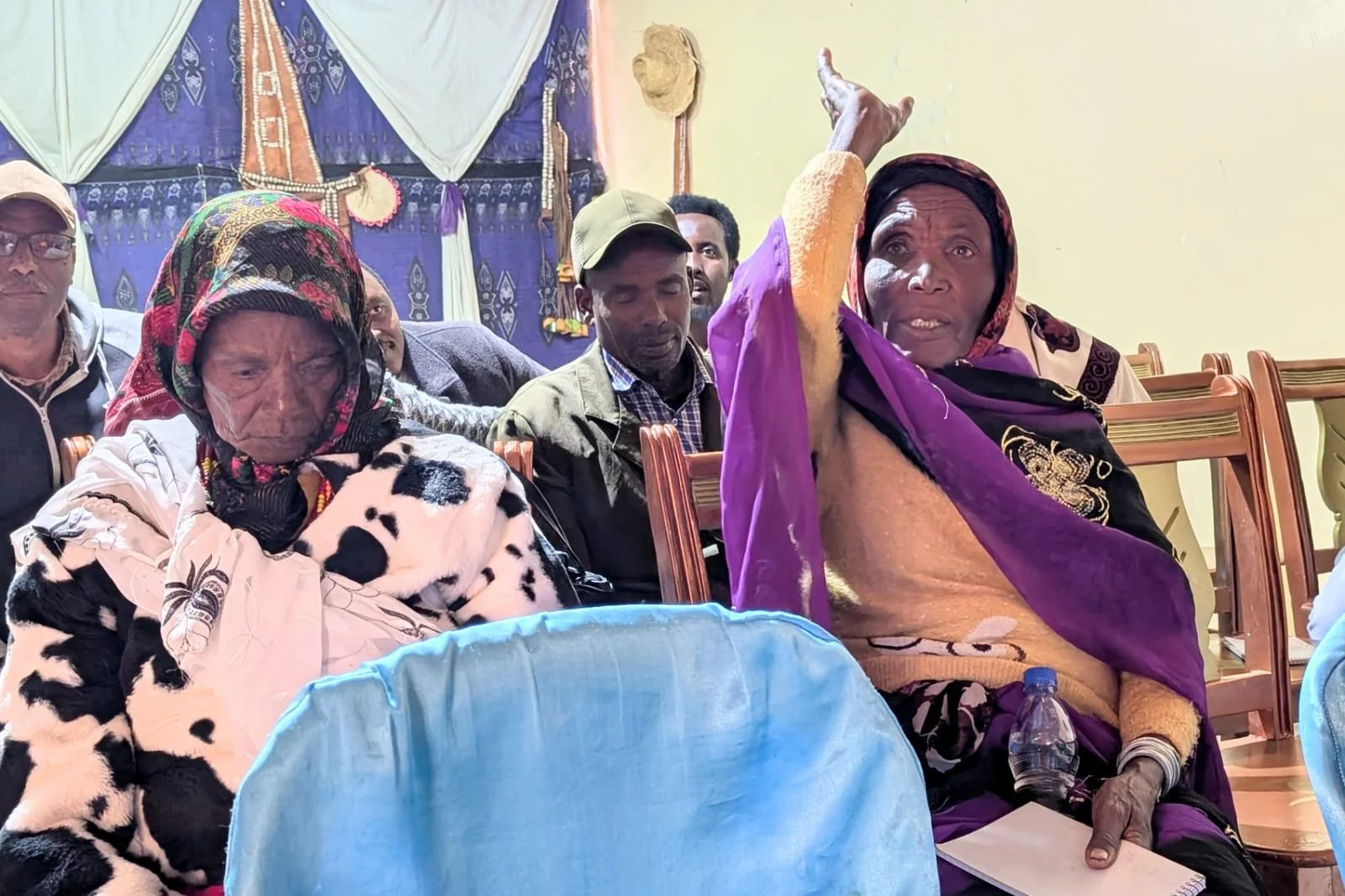
Figure 1: Parents’ participation during the workshop
The workshop began with presentations by three NGO representatives working on ECD in the area. During their presentations, the NGOs described several interventions, including positive parenting programs, child-friendly spaces, and food demonstration initiatives—framing them as behaviour-change interventions designed to strengthen parenting and care-giving practices. They presented the ongoing interventions as having positive impacts on children, parents, and the community at large, fostering improved care—giving practices, child well-being, and greater community awareness of ECD.
After the NGO representatives concluded their presentations, the facilitator invited me to present my findings as a researcher. I stood, greeted the participants, and began my presentation. My discussion centered on the overarching question of "Whose priorities matter?"—exploring the tension between community-defined needs and the priorities of interventionists. From there, I presented evidence of unintended consequences of ECD interventions and their visibility in drought-displaced contexts.
The contrast between the NGO presentations and my research findings created a tension in the room, which at times made the conversation uncomfortable. This was partly because it was the first workshop organized by a researcher in which parents were openly invited to voice their perspectives on ongoing interventions. While the NGOs had emphasized program successes, my ethnographic data revealed significant gaps between intervention goals and community realities. However, as the session moved into reflective dialogues, the initial tension gradually shifted into a more open and constructive exchange. Participants began to engage honestly with both the strengths and limitations of current ECD initiatives, allowing for a more balanced and collaborative discussion. For many participants, particularly the NGOs, this shift challenged established narratives and introduced a level of scrutiny that was not usually part of public discussions.
Following my presentation, the facilitator invited reflections from participants to ensure that the discussion remained grounded in the diverse viewpoints represented in the room. Then, a researcher from a local university started his statements with appreciation for organizing such a research workshop. He said:
The interventionists just arrive with their predetermined agendas, impose their views, and then leave—without acknowledging the community’s way of life. So, you know...anyone who wants to work with a community really has to take the time to genuinely understand that community. For example, people working on child-welfare interventions should take the effort to learn about the cultural practices around child-rearing in that community. So, when people come in and try to teach parents everything from scratch, treating their parenting as backwards…I mean… that’s epistemic violence. It’s when those in power assume they understand someone’s life better than the people living it. And that’s the real harm.
This reflection sets the stage for a more pointed critique of NGOs' priorities, highlighting how they often disregard the local knowledge and practices of the communities they aim to serve. It underscores the participant’s frustration with top-down interventions and the resulting power imbalances, emphasizing the importance of building relationships and understanding the local context before implementing programs.
Building on this critique, another university lecturer emphasized the depth of existing Borana parenting practices:
The targeted community… has a long, rich history of parenting and child-rearing practices. Starting from conception, there’s special attention and support to ensure a healthy pregnancy and to promote child development. Caring for children is not just the responsibility of one parent. You know... it’s seen as a collective responsibility, shared by everyone. Their whole way of life is based on mutual support, where the well-being of one person is tied to the well-being of the others. One of their key practices is feeding children “Oolchaa”—which means giving children food regularly, without strict mealtimes like adults have.
This emphasizes that the targeted community has a rich and longstanding tradition of parenting and child-rearing, rooted in collective responsibility, reflecting a proactive and holistic approach to child well-being. This account reveals communal and culturally embedded approaches to child-rearing, challenging standardized models of parenting and interventions by recognizing parents’ expertise and knowledge.
The facilitator ensured that participants from different sectors had the opportunity to reflect. Next, he invited a participant from a government office to speak. After briefly acknowledging the value of the workshop and the clarity of the presentation, the participant offered his reflection:
The main issue here isn’t about showing the parents how they should prepare food or how to feed their children. I mean… that completely misses the point. What parents are actually dealing with is their immediate, pressing need: hunger. So, instead of instructing them on how to cook or how to nourish their children, what they truly need is simple: access to enough food. And when NGOs focus on teaching parents things they already know, it kind of shifts the responsibility away from the systems that create hunger in the first place… and ends up placing the blame on the people who are suffering from hunger. I mean… that’s the real problem.
This reflection lays the groundwork for a more incisive critique of NGOs’ priorities, highlighting how NGOs working on child-focused interventions and parenting overlook the structural causes of hunger, shifting responsibility away from the systems that generate food insecurity. It underscores the importance of addressing material and systemic barriers rather than focusing solely on individual behavior, suggesting that effective interventions are better targeted at underlying inequities instead of perpetuating epistemic injustice by blaming those who are suffering.
Expanding upon this critique, the facilitator then invited an ECD researcher to respond. He said:
… Well, you know…the displacement these parents are experiencing…yeah…it’s not because of anything individuals did. It’s a consequence of climate change, and that’s largely driven by industrialized nations. The problem comes from outside, not from the community itself. But the thing is, the current interventions act as though the families are somehow responsible for the situation. I mean… that kind of approach basically puts the blame on parents and puts an unfair burden on them. What's really needed...you know...is to shift the focus away from blaming individuals and start addressing climate change.
This shows current interventions wrongly imply that families are responsible for their circumstances, placing an unfair burden and blame on those who are already suffering and who have little control over the conditions affecting them. It calls for a shift from deficit-based narratives toward structural accountability, emphasizing that meaningful intervention must address the root causes of climate-driven displacement rather than reinforcing blame on vulnerable communities.
The conversation had built to this moment—when parents themselves would speak directly about their experiences. The room quieted as a father from an internally displaced persons (IDP) camp raised his hand and said:
I agree with what the researcher presented. Our primary problem is hunger—not parenting. The interventions are completely disconnected from our real needs and the reality we're living in. No one asks us what we actually require. No one comes and sits with us, listens to us, or takes the time to hear our problems. That's...the issue.
Similarly, one mother from IDP raised her hand and said:
Our struggle isn’t a lack of knowledge about cooking or feeding our children—oh no… it’s about what food we even have to give our children in the first place.
Additionally, another father from IDP said:
The way NGOs try to teach us about parenting feels like an insult. They perceive us as people who know nothing and who need to be taught from scratch. They treat our parenting as something outdated, to be ignored. But let's ask them—who raised us as parents? How did we grow into who we are today? Have they raised our children for us? Instead of teaching us, why don't they ask us about our ways and why our ways have worked for generations?
Building on this critique, another mother from IDP said:
Honestly, a lot of our children who went through these interventions, yeah...they’ve lost themselves. They’ve forgotten who they are, what belongs to them… all that. And now they depend on these systems and this kind of knowledge that...doesn’t really serve them — or us. So, we keep asking ourselves, like… what’s the point of that kind of knowledge if it doesn’t help our people or protect our culture? Because, from what we’ve seen, yeah, this interventions haven’t brought anything real to our generation. It hasn’t supported our traditions or helped us keep them alive. We’ve seen it with our own children. That… that’s just the reality we’re living with.”
Similarly, one of the fathers raised his hand and stated:
We are truly at risk because we are losing our future generation—and for us, that generation is our children. Without children who carry forward our identity, values, and culture, who will preserve our identity? What they are telling us sounds like, “Abandon your culture and adopt ours.” A society doesn’t truly die when its land is taken; it dies when its future generations lose their identity. Without children, what carries the people forward? That’s why we must change our mindset and consciousness about what’s going on. If we don’t, we are walking toward our own disappearance.
The above reflections from the lead to a more rigorous critique of NGOs’ priorities, highlighting that the core problem is not a lack of parenting knowledge but hunger and access to basic resources, which are caused by the prolonged drought. It tells children that those exposed to ongoing ECD interventions may lose connection with their traditions, values, and sense of self, as the future generation may grow detached from the culture that sustains it.
The final chance was given to a mother from the IDP community. She raised unexpected questions, and everyone was surprised by her statement. She said:
My question is...how do NGOs come to us without getting approval from the government? For me, it’s not the fault of the NGOs, because it is the government that sends them to us by approving their projects.
This perspective underscores the government’s responsibility to review and assess NGO project proposals and implementation activities to ensure their alignment with the cultural context and specific needs of the community. It also highlights a significant gap in government accountability in following what the NGOs are doing in the targeted community.
Conclusion
Drawing on the findings presented and the discussions conducted during the workshop, several key outcomes emerged. The event provided practitioners with a noteworthy opportunity to hear and engage directly with parents' perspectives on the interventions targeting their communities. For the NGO participants, this was their first experience of meeting face-to-face with parents to hear reflections on their own programs. The discomfort in the room was palpable as parents and local stakeholders named what had long gone unspoken: that well-intentioned interventions often miss the mark when they fail to center community-defined needs.
The NGO participants acknowledged the value of incorporating parents' voices as inputs for future program design and recognized the importance of integrating parental perspectives into the planning process from the outset. They also acknowledged existing gaps in their projects, particularly in aligning activities with local realities and in actively consulting parents during both the design and implementation phases.
Ultimately, the workshop created opportunities for parents to speak and practitioners to listen, challenging the predominantly top-down interventions model. More than a one-time event, it modeled what bottom-up communication looks like in practice: slow, uncomfortable at times, but essential for interventions that genuinely serve the communities they claim to support. The question now is whether this dialogue can be sustained and whether the institutional structures governing ECD work can adapt to accommodate the epistemological shift it demands. Thus, without systemic reforms, even well-designed forums for dialogue may serve merely as symbolic gestures rather than generating substantive transformational outcomes.
References
Bertoli, Anny, John Teria Ng’asike, Stefania Amici, Andrew Madjar, and Marek Tesar. "Decolonizing western science education and knowledge in early childhood: Rethinking natural hazards and disasters framework through indigenous ‘ecology of knowledge's in Kenya." Global Studies of Childhood 14, no. 2 (2024): 197-213.
Britto, Pia Rebello, Hirokazu Yoshikawa, and Kimberly Boller. "Quality of Early Childhood Development Programs in Global Contexts: Rationale for Investment, Conceptual Framework and Implications for Equity. Social Policy Report. Volume 25, Number 2." Society for Research in Child Development (2011).
Oppong, Seth, and Sarah Strader. "Interventions that matter start with local cultures: Issues and strategies in early childhood care and education interventions in Africa." An ECCE Project Supported by Spencer Foundation/Boston College. https://doi. org/10.13140/RG 2, no. 12651.82722 (2022): 1.
Pence, Alan R., and Kofi Marfo. "Early childhood development in Africa: Interrogating constraints of prevailing knowledge bases." International Journal of Psychology 43, no. 2 (2008): 78-87.
Scheidecker, Gabriel, Nandita Chaudhary, Seth Oppong, Birgitt Röttger-Rössler, and Heidi Keller. "Different is not deficient: Respecting diversity in early childhood development." The Lancet Child & Adolescent Health 6, no. 12 (2022): e24-e25.
Teo, Thomas. "What is epistemological violence in the empirical social sciences?." Social and personality psychology compass 4, no. 5 (2010): 295-303.
Woodhead, Martin. “Changing Perspectives on Early Childhood: Theory, Research and Policy.” (2006).